The UAE has become a global hub for luxury living, innovative architecture, and refined interior design. From Dubai’s contemporary apartments to Abu Dhabi’s grand villas, interior styles in the region reflect a unique blend of culture, climate, and modern sophistication.
In this article, we explore the most popular interior design styles shaping homes and commercial spaces across the UAE.
Modern Minimalist Luxury
Minimalism in the UAE is not about emptiness it’s about intentional elegance. Clean lines, open layouts, and carefully curated pieces define this style, often enhanced with high-end materials.
Key features include:
- Neutral color palettes (beige, ivory, soft grey)
- Marble, wood, and metal finishes
- Hidden storage and clutter-free spaces
- Statement pieces instead of excessive décor
This style is especially popular in apartments and modern villas, creating calm and sophisticated interiors that feel both spacious and luxurious.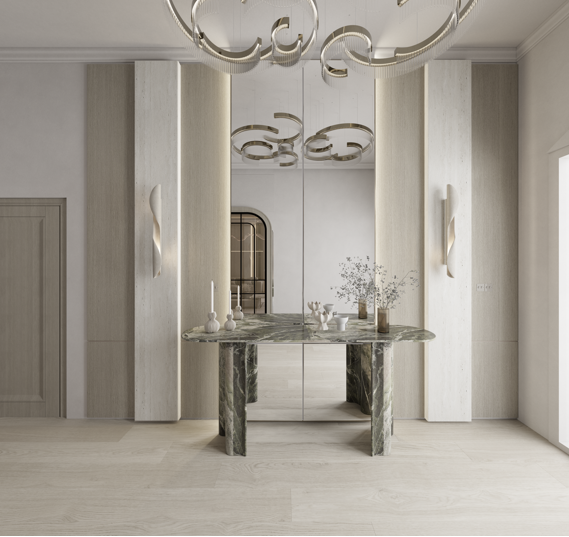
Contemporary Arabic Fusion
One of the most distinctive styles in the UAE is the fusion of traditional Arabic design with modern aesthetics.
This style blends heritage with innovation through:
- Geometric patterns and mashrabiya details
- Modern furniture paired with traditional motifs
- Warm lighting and rich textures
- Subtle cultural elements integrated into clean spaces
It allows homeowners to maintain cultural identity while embracing a contemporary lifestyle—making it a defining design language in the region.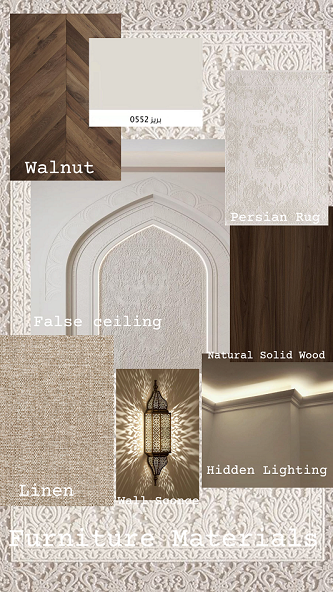
Classic Arabic & Luxury Majlis Style
Rooted in tradition, this style reflects the UAE’s cultural heritage and hospitality.
Common elements include:
- Majlis seating arrangements (low seating for guests)
- Rich fabrics like velvet and silk
- Ornate woodwork and intricate patterns
- Gold accents and deep, luxurious colors
Today, this style is often reinterpreted in a more modern way, with open-plan layouts and refined finishes that feel both traditional and current.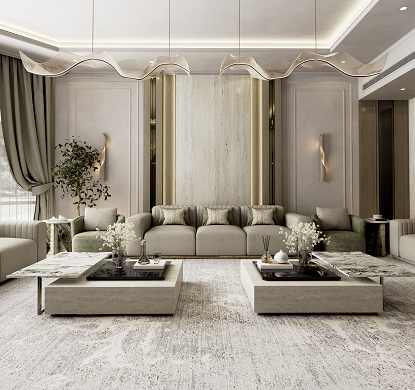
Biophilic & Nature-Inspired Design
With increasing focus on wellness, biophilic design is becoming a major trend in the UAE.
This approach brings nature indoors through:
- Indoor plants and vertical gardens
- Natural materials like wood, stone, and rattan
- Large windows and natural light
- Water features and organic textures
It not only enhances aesthetics but also improves well-being, making it ideal for both residential and office spaces.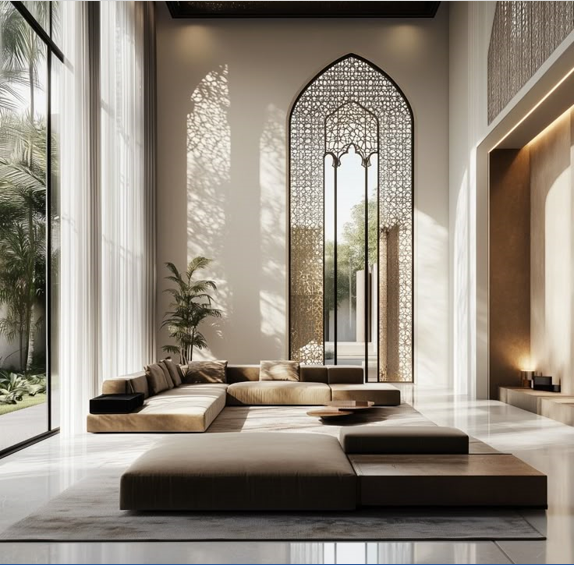
Warm Contemporary Style
Moving away from cold, stark interiors, UAE homes are embracing warm contemporary design.
Characteristics include:
- Soft neutral tones inspired by desert landscapes
- Curved furniture and organic shapes
- Layered textures like bouclé, linen, and plaster
- Cozy yet modern atmospheres
This style creates a balanced environment modern, but inviting and comfortable.
High-End Smart Living
Technology is now seamlessly integrated into interior design across the UAE.
Key features:
- Smart lighting and climate control
- Automated curtains and home systems
- Hidden technology within furniture and walls
- Minimal visual disruption
Smart interiors enhance both convenience and luxury, especially in high-end villas and modern developments.
Bold Textures & Statement Interiors
Design in the UAE often embraces bold expression through materials and details.
Popular elements include:
- Textured walls (Venetian plaster, polished cement)
- Sculptural lighting fixtures
- Velvet and rich fabrics
- Artistic feature walls
These details add depth and personality, transforming simple spaces into visually striking environments.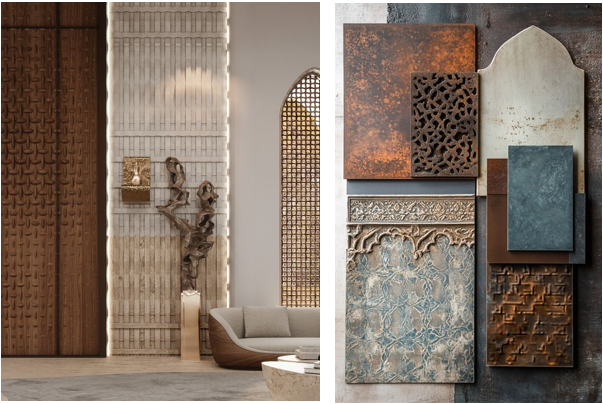
Conclusion
Interior design in the UAE is defined by its ability to blend luxury, culture, and modern living. Whether it’s minimalist elegance, Arabic-inspired richness, or nature-driven spaces, each style reflects the region’s dynamic lifestyle and global influence.
For homeowners and businesses alike, the key is not choosing just one style but creating a balance that reflects both personal identity and the unique character of the UAE.