
Contemporary Designers Who Are Revolutionizing Modern Aesthetics
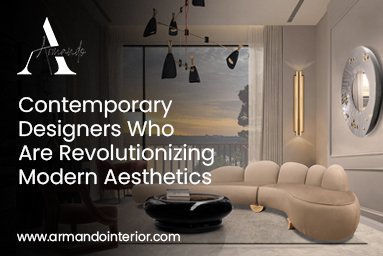
Top Contemporary Designers Transforming Modern Aesthetics Contemporary Designers Who Are Revolutionizing Modern Aesthetics Modern design is changing faster than ever, thanks to a new generation of contemporary designers who blend creativity, function, and innovation to reshape the way we live. These trailblazers are setting new standards by experimenting with textures, materials, colors, and technologies that transform ordinary spaces into works of art. In today’s ever-evolving world, their influence can be seen everywhere—from residential interiors to commercial landmarks and luxury developments. Understanding the Rise of Contemporary Designers Contemporary design has grown into a global movement, reflecting the cultural shift toward simplicity, intentionality, and mindful living. As homeowners seek personalized environments, the demand for skilled contemporary designers continues to rise. What Defines Contemporary Design Today? Modern contemporary design emphasizes clean lines, open spaces, and cohesive aesthetics. It avoids clutter and embraces a harmonious balance between visual appeal and practical functionality. This makes the style timeless, adaptable, and ideal for both small apartments and expansive villas. The Shift Toward Minimalism, Functionality & Innovation Design trends today focus on the smart use of space. Minimalism is no longer plain—it’s purposeful. Designers are now crafting spaces that feel light, breathable, and adaptable, while integrating digital technologies that enhance everyday living. Visionaries Leading the New Age of Modern Aesthetics The world is rich with designers who challenge traditional boundaries. These modern visionaries aren’t just creating beautiful spaces—they’re introducing new ways of thinking about design. Designer 1 – Masters of Minimal Modernism Minimalism is one of the most powerful trends of the decade. Designers known for minimal modernism aim to elevate spaces using fewer elements while emphasizing craftsmanship and elegance. Signature Style & Aesthetic Direction Their style often includes: Neutral palettes Clean geometric shapes Functional arrangements Light-enhancing materials This approach allows them to transform rooms into serene yet sophisticated living environments. Influence on Residential Projects Worldwide Minimal modern designers have reshaped residential interiors globally, particularly in urbanized regions where space is limited, demonstrating how calmness and clarity can be achieved through simplicity. Designer 2 – The Fusion Innovators Transforming Spaces Fusion designers blend cultural influences, textures, and bold elements from various traditions. Their work often features vibrant colors juxtaposed with modern structural lines. Creative Approach & Material Selection Fusion innovators experiment with: Mixed metals Wood and glass combinations Contrasting textiles Artistic sculptural forms Their interiors often feel alive—filled with identity, culture, and depth. Designing Functional yet Emotionally Engaging Spaces These designers do not compromise functionality. They ensure every element serves a purpose, creating environments that feel warm, expressive, and richly layered. Designer 3 – Sustainability-Focused Contemporary Designers Environmental consciousness is now a key pillar in modern design. Eco-focused designers are integrating recycled materials, energy-saving systems, and natural elements into elegant contemporary creations. Eco-Friendly Materials & Green Innovations Materials such as bamboo, reclaimed wood, and organic fabrics are becoming essential components of sustainable modern spaces. Impact on Global Interior Trends This movement is reshaping how people view luxury—now defined by responsibility and long-term usability, not just aesthetics. How Contemporary Designers Are Impacting Dubai’s Modern Design Scene Dubai has become a global hub for luxury and innovation, and the rise of unique interior designers Dubai has elevated the city’s architectural identity. Rise of Unique Interior Designers Dubai These designers blend Middle Eastern heritage with contemporary minimalism, creating memorable spaces that reflect cultural pride and modern sophistication. Growth of Residential Interior Design Dubai The demand for residential interior design Dubai is booming, with homeowners seeking elegant, functional, and tech-driven spaces that align with global trends. Key Elements Used by Contemporary Designers to Shape Modern Spaces Great design goes beyond appearance—it’s about structuring environments that enhance daily living. Smart Integration of Technology & Automation Lighting systems, climate control, and security features are now seamlessly embedded into modern homes. The Art of Combining Textures, Colors & Lighting Contemporary spaces often rely on: Layered lighting Soft neutral colors Expression through texture This creates a balanced and welcoming atmosphere. Space Optimization for Urban Living From compact storage solutions to open-plan layouts, designers ensure every corner is both functional and visually pleasing. Techniques That Make Contemporary Designers Stand Out Modern designers use innovative strategies to ensure each space feels unique and practical. Use of Multi-Functional Furniture Transformable furniture and adaptable pieces allow smaller homes to feel spacious and dynamic. Blending Natural Elements with Urban Architecture Plants, natural light, stone finishes, and wooden accents play major roles in creating warm, lively interiors. Choosing the Right Contemporary Designer for Your Space Selecting the right designer ensures your home’s character aligns with your lifestyle. Understanding Your Style & Vision Start by identifying what inspires you, whether it’s minimalism, luxury, or eclectic fusion. Checking Portfolios & Aesthetic Compatibility Reviewing a designer’s past work helps you determine whether their creative style matches your expectations. Considering Sustainability & Practicality Choose designers who prioritize long-term quality, eco-friendly solutions, and energy-efficient materials. Frequently Asked Questions (FAQs) 1. What makes contemporary designers different from traditional designers? Contemporary designers focus on modern trends, technology, minimalism, and functionality, while traditional designers rely on classical patterns and ornamental details. 2. Why is contemporary design so popular today? Its clean lines, open spaces, and timeless appeal make it suitable for both large villas and modern apartments. 3. How do contemporary designers incorporate technology? They integrate automation, smart lighting, and advanced materials seamlessly into the design layout. 4. Are contemporary designs suitable for small spaces? Absolutely. Minimalist layouts and multifunctional furniture make contemporary styles ideal for compact homes. 5. How is Dubai transforming with contemporary design? Dubai’s design evolution combines luxury with cultural influences, driven by growing demand for innovative residential interiors. 6. What should I look for when hiring a contemporary designer? Look for creativity, technical experience, sustainability awareness, and a portfolio that matches your personal taste. Conclusion Contemporary designers are redefining how we experience modern spaces by blending art, function, technology, and sustainability. From Dubai’s innovative interiors to global residential transformations, their influence continues to shape the future of design in powerful ways. Learn more about