
Material and finish selection is one of the most crucial decisions in any renovation project or interior design. Because the materials you choose influence your space’s appearance, maintenance requirements, and long-term value. The process of selecting finishes seems like the exciting part. However, every choice must balance style with practicality. Armando helps you understand how each material will perform in your space and whether it fits your lifestyle and budget. We ensure beautiful results for your space that last for years.
Materials are the physical elements used in interiors, including composites, wood, stone, and tile. Finishes are the protective and decorative treatments that are applied to these materials. Finishes influence their maintenance and appearance.
Examples include:
Every decision should balance aesthetic appeal and practical factors like maintenance and budget in the process of interior design materials selection
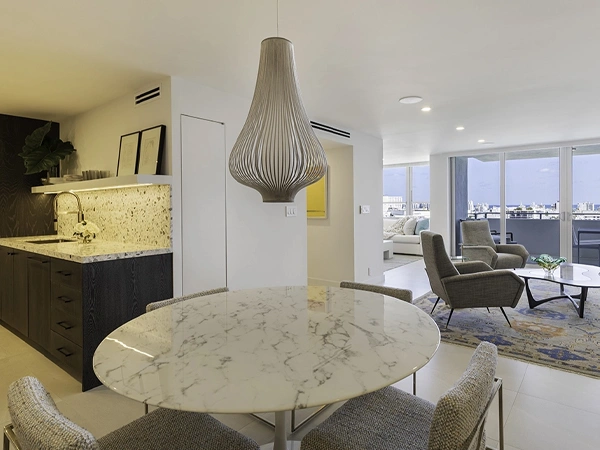
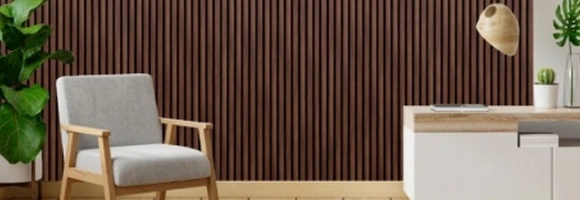
Wall finishes influence more than appearance. They affect maintenance and durability. Choosing the right finish depends on your room’s design style and long-term maintenance expectations.
Paint is the most versatile wall finish. Flat matte hides imperfections, while satin and semi-gloss finishes offer greater durability and are easier to clean, making them ideal for kitchens, bathrooms, and high-traffic areas.
Wallpaper, textured plaster, shiplap, and board-and-batten add depth and architectural character. Each option offers a unique look but comes with different installation and maintenance requirements.
For a more refined look, high-end interior material finishes such as Venetian plaster, limewash, and decorative concrete create distinctive textures and lasting visual appeal. These finishes work best when selected to suit the room’s function and overall interior style.
Floor materials in interior design play an essential role because they impact comfort and long-term performance. The right flooring must suit your lifestyle and complement your overall design.
Every flooring material has its advantages and limitations. Certain factors should guide your flooring material selection. Those factors are maintenance requirements, moisture resistance, and compatibility with your home’s design.
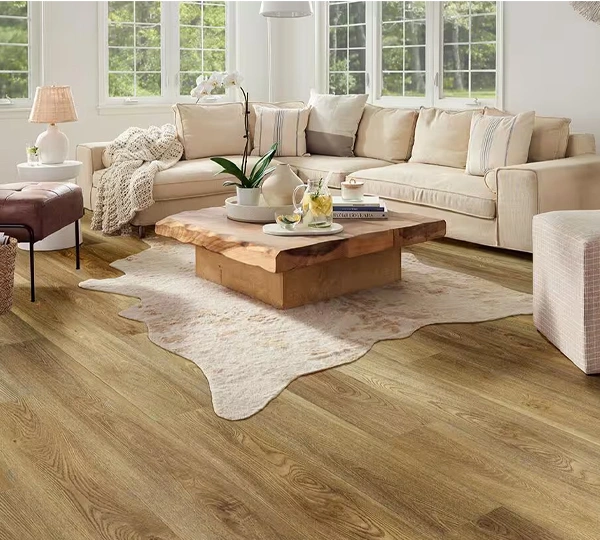

When selecting materials for interior design, you should check every material to ensure they match your home’s long-term performance and maintenance needs.
High-traffic areas like entryways and kitchens require durable materials, while bathrooms, laundry rooms, and humid spaces need moisture-resistant options to prevent damage.
You should also consider your maintenance preferences, daily routine, and household needs. Homes with children or pets benefit from durable, easy-to-maintain materials, while premium finishes work best if you’re prepared for regular upkeep.
The selection of interior design materials combines visual appeal with functionality. The right materials should complement your design style while delivering lasting performance.
Different materials and finishes should work together to create a cohesive look. Consider how finishes interact with light and how natural materials such as granite, hardwood, and stone display unique variations that add character, while engineered materials provide greater consistency.


Material durability in interior design is about choosing materials that perform well over time based on how each space is used. Long-term value depends on selecting materials that match your lifestyle and maintenance expectations.
Durability depends on context. Luxury vinyl performs well in kitchens, while natural stone requires regular maintenance. Wood remains durable with proper care, and engineered quartz offers the appearance of natural stone with lower maintenance. The best durable interior finishes balance appearance, performance, and the level of care you’re willing to provide.
Wall finishes in the interior design process shape a room’s appearance, atmosphere, and functionality. The right finish should complement the space while remaining practical for long-term use.
Light-colored walls create a brighter, more spacious feel, while darker finishes add warmth and intimacy. Textured finishes introduce depth and help conceal imperfections but require more maintenance over time. Instead of relying on bold accent walls, feature materials such as shiplap, fireplace surrounds, or backsplashes often create a more balanced visual impact. Since walls are the largest surface in a room, choose finishes that remain appealing well beyond changing design trends.
You’re right. The subheading should match the content, not copy the template’s wording. Here is a better version that follows the same structure without copying the heading style.


Material finishes for interiors should balance visual appeal with everyday performance. The best choices depend on how each space is used, the atmosphere you want to create, and the level of maintenance you’re comfortable with.
Choosing interior finishing options is about combining function with style. Rather than selecting materials based only on trends, choose finishes that perform well, complement your design vision, and suit your daily lifestyle.
Countertops, flooring, backsplashes, cabinets, wall colors, and hardware should complement one another instead of being selected independently.
Combining similar tones and finishes without contrast can make a space feel flat, while the right mix creates depth and visual clarity.
The best interior finishes and materials work together through coordinated colors, textures, and finishes rather than competing for attention.
A well-planned material palette ensures every finish supports the overall design, resulting in a polished and cohesive interior.
Every room has unique design requirements. Browse our related services to explore solutions that best fit your space, style, and functional needs.
Understanding hardwood flooring helps you make informed decisions about material durability in interior design and long-term performance.
Solid hardwood comes in different species, while engineered hardwood offers greater stability in changing humidity and temperature conditions.
Oak, maple, hickory, walnut, and Brazilian hardwoods vary in scratch resistance, strength, performance, and long-term value.
Hardwood requires protection from water, humidity changes, heavy furniture, and everyday wear to maintain its appearance.
With proper installation and regular maintenance, hardwood flooring can last for decades and be refinished multiple times, making it a long-term investment.


Choosing materials for interior design on a budget is about investing where quality matters most while making practical choices elsewhere.
Investing in durable hard surfaces such as flooring, countertops, and tile provides long-term value, while soft surfaces like paint and cabinet finishes can be updated more affordably as styles change.
Avoiding common mistakes helps ensure successful material and finish selection and better long-term results.
Careful planning and informed decisions help prevent costly mistakes and ensure your materials perform as well as they look.


Professional guidance ensures your material and finish selection delivers lasting performance, visual harmony, and fewer costly mistakes.
Professional expertise helps create interiors where every material works together, performs as expected, and supports your design goals for the long term.
Start your material and finish selection by defining your project goals, budget, timeline, and design preferences. Share your inspiration with Armando, and our team will recommend materials and finishes that suit your vision, space, and lifestyle.
Review samples in your actual space and lighting before making final decisions, and ask about each material’s durability, performance, and maintenance requirements. With Armando’s expert guidance, every selection is carefully planned to deliver lasting beauty, functionality, and value.
You should choose materials based on your room’s maintenance needs, purpose, and moisture exposure instead of considering appearance alone.
Timeless finishes offer longer-lasting appeal, while trends are best incorporated through easily replaceable elements like paint and décor.
Room size and lighting affect the way materials look. Therefore, you should always review samples in your actual space before making a decision.
Yes, combining finishes works better when materials, color, and texture are carefully coordinated.
Many high-end materials need regular care to maintain their appearance and long-term performance.
Porcelain tile, stone, and some engineered hardwood options are generally suitable. However, you should always confirm compatibility before installation.
Armandointerior © 2025. Design & Developed by ICT Information Systems LLC