
How to Keep Your Home Cool with Smart Design Choices (Ultimate Guide)
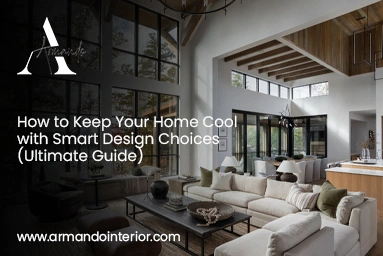
Keeping your home cool specially in hot climates can be challenging. But with the right strategies, you don’t have to rely entirely on air conditioning. By using smart design choices, you can naturally reduce heat, improve comfort, and lower energy bills. In this guide, you’ll learn how to keep your home cool using practical, stylish, and energy-efficient interior design techniques. Why Smart Cooling Design Matters A well-designed home can significantly reduce heat buildup. Smart home cooling design not only improves comfort but also: Lowers electricity costs Reduces dependence on AC Improves energy efficiency Creates a healthier indoor environment This is especially important in regions with extreme heat, where cooling your home naturally can make a big difference Choose Light Colors for Walls and Furniture Color plays a major role in heat absorption. Dark colors absorb heat, while light colors reflect it. Best choices: White, off-white, and cream Light grey or beige Soft pastels Using light color palettes for interiors helps keep rooms cooler and brighter. 2. Maximize Natural Ventilation Good airflow is one of the easiest ways to cool your home. Tips for better ventilation: Open windows on opposite sides for cross-ventilation Use ventilated doors or louvered panels Keep interior spaces uncluttered for airflow Proper airflow is key to natural cooling home design. 3. Use Curtains, Blinds, and Window Treatments Windows are a major source of heat gain. The right coverings can block sunlight and reduce indoor temperature. Effective options: Blackout curtains Thermal blinds Light-colored drapes These solutions are essential for reducing heat in your home without sacrificing style. 4. Add Indoor Plants for Natural Cooling Plants can help cool your home by improving air quality and reducing heat. Best indoor plants for cooling: Areca palm Snake plant Aloe vera They’re a great addition to eco-friendly interior design and bring a refreshing natural touch. 5. Choose Heat-Resistant Materials The materials you use in your home can affect temperature. Cooler material choices: Cotton or linen fabrics Wooden or rattan furniture Stone or tile flooring Avoid heavy materials like velvet or thick carpets, which trap heat. This is key for smart interior design for hot climates. 6. Upgrade to Energy-Efficient Lighting Traditional bulbs generate heat, which can warm up your space. Switch to: LED lights Energy-saving bulbs These are essential for energy-efficient home cooling tips and help maintain a cooler environment. 7. Reduce Heat from Appliances Appliances like ovens, stoves, and electronics produce heat. Smart tips: Cook during cooler times (morning or evening) Turn off unused electronics Use energy-efficient appliances Small changes can significantly improve how to keep your house cool naturally. 8. Use Rugs and Soft Furnishings Wisely Heavy fabrics trap heat, while lighter ones keep your home breathable. Choose: Lightweight rugs Cotton cushions Minimal layered textiles This supports a cool and breathable interior design. 9. Install Ceiling Fans for Better Air Circulation Ceiling fans help circulate air and create a cooling effect. Use anti-clockwise rotation in summer Combine with open windows for best results Fans are a simple yet powerful part of smart cooling home solutions. Final Thoughts Learning how to keep your home cool with smart design choices can transform your living space into a comfortable, energy-efficient retreat even in extreme heat. By using light colors, improving ventilation, choosing the right materials, and minimizing heat sources, you can create a home that stays cool naturally. Start with small changes, and over time, you’ll notice a big difference in both comfort and energy savings.
How to Choose a Color Palette for a Room (Complete Interior Design Guide)
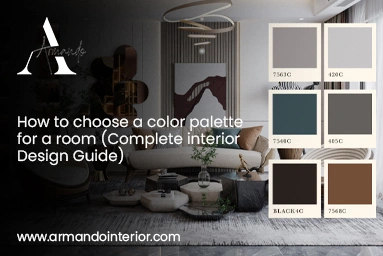
Choosing the right color palette for a room is one of the most important decisions in interior design. The colors you select can completely change how your space looks, feels, and functions. Whether you’re designing a cozy bedroom or a modern living room, knowing how to choose a color palette for a room will help you create a space that feels balanced, stylish, and uniquely yours. Why Choosing the Right Color Palette Matters Your color choices do more than just decorate a space they influence mood, lighting, and even how big or small a room feels. A well-planned interior design color palette can: Make small rooms appear larger Create a calm and relaxing atmosphere Add warmth and personality Improve overall visual harmony 1. Start with the Room’s Purpose Before selecting colors, think about how the room will be used. This is the foundation of choosing colors for home interior spaces. Living Room: Warm neutrals, soft greens, or earthy tones for a welcoming feel Bedroom: Soft blues, pastels, or muted shades for relaxation Kitchen: Light colors like white or beige for a clean, fresh look Home Office: Calm tones like blue or beige to improve focus Matching your room color design with its purpose ensures both beauty and functionality. 2. Choose a Color Scheme That Works Using a structured color scheme helps you avoid clashing tones. Here are some popular options: Monochromatic: Different shades of one color (simple and elegant) Analogous: Colors next to each other on the wheel (harmonious and soft) Complementary: Opposite colors (bold contrast and energy) Neutral-Based: Whites, greys, and beiges with accent colors These are the foundation of strong color coordination in interior design. Monochromatic Analogous 3. Follow the 60-30-10 Rule This is a proven formula used by professionals: 60% (Main Color): Walls and large furniture 30% (Secondary Color): Curtains, rugs, chairs 10% (Accent Color): Cushions, decor, artwork This method ensures your home color scheme ideas look balanced and not overwhelming. 4. Consider Lighting Before Choosing Colors Lighting plays a huge role in how colors appear in your home. Natural light makes colors brighter and more accurate Warm lighting creates a cozy, yellow-toned effect Cool lighting enhances modern and crisp tones Always test your wall color selection in different lighting conditions before making a final decision. 5. Work with Existing Elements Before finalizing your palette, consider things you can’t easily change: Flooring Cabinets Countertops Large furniture Your interior color combinations for modern homes should complement these elements rather than clash with them. 6. Pick a Focal Point Every room should have a standout feature, such as: A statement sofa A bold wall color Artwork or decor Build your best color combinations for rooms around this focal point to create a cohesive look. 7. Test Colors Before You Commit One of the most important steps in choosing colors for home interior design is testing. Apply paint samples on your walls Check colors at different times of the day Compare them with your furniture and decor This helps you avoid costly mistakes and ensures your final palette works perfectly. 8. Use Neutrals as a Base Neutrals are essential in modern interior design. Colors like white, beige, grey, and taupe: Make rooms feel bigger and brighter Provide flexibility for decor changes Work well with almost any style You can easily enhance them with bold accents for a stylish finish. Final Thoughts Learning how to choose a color palette for a room doesn’t have to be complicated. By understanding your space, using simple design rules, and testing your options, you can create a beautiful and functional home. The right color palette ideas for bedroom design or living spaces can elevate your entire home. Take your time, trust your instincts, and don’t be afraid to experiment with different shades and combinations.
Trendsetting Design Solutions for Modern Living Spaces
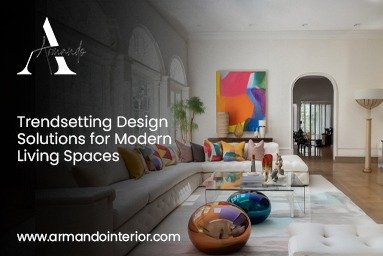
Modern living spaces are evolving rapidly, driven by changing lifestyles, technology, and the need for comfort and efficiency. Today, homeowners are looking beyond traditional interior design and embracing Trendsetting Design Solutions that combine innovation, functionality, and aesthetics. These solutions not only enhance the visual appeal of a space but also improve how it is used daily. Whether you are designing a new home or upgrading your existing space, adopting Trendsetting Design Solutions can transform your interiors into stylish, practical, and future-ready environments. In this guide, we explore the latest ideas, concepts, and strategies to help you create a modern living space that truly stands out. What Are Trendsetting Design Solutions? Trendsetting Design Solutions refer to innovative and forward-thinking interior design approaches that redefine how spaces are created and experienced. These solutions focus on: Modern aesthetics with clean lines and minimal clutter Smart use of space for better functionality Integration of technology and sustainability Personalized designs that reflect individual lifestyles Unlike conventional designs, trendsetting solutions aim to stay ahead of current trends while offering long-term value and adaptability. Why Choose Trendsetting Design Solutions for Modern Homes? Adopting Trendsetting Design Solutions provides several benefits: Enhanced Functionality Modern homes require efficient use of space. Trendsetting designs focus on maximizing usability without compromising style. Aesthetic Appeal These solutions combine contemporary elements with timeless design principles, creating visually appealing interiors. Future-Ready Spaces With the integration of smart technologies and flexible layouts, your home remains relevant for years to come. Increased Property Value Well-designed interiors significantly boost property value and attract potential buyers or tenants. Personalized Living Experience Custom design elements ensure your space reflects your personality and lifestyle. Key Elements of Trendsetting Design Solutions To create a modern living space, it’s important to understand the core elements of Trendsetting Design Solutions: Minimalist Design Approach Less is more. Clean lines, neutral colors, and clutter-free spaces define modern interiors. Smart Space Utilization Multi-functional furniture and smart storage solutions maximize space efficiency. Sustainable Materials Eco-friendly materials like reclaimed wood, natural fabrics, and energy-efficient lighting are widely used. Technology Integration Smart lighting, automated systems, and connected devices enhance convenience and comfort. Balanced Lighting Layered lighting, including ambient, task, and accent lighting, creates a warm and inviting atmosphere. Top Trendsetting Design Solutions for Modern Living Spaces Open-Concept Living Areas Open layouts are a hallmark of modern design. Combining living, dining, and kitchen areas creates a spacious and connected environment. Benefits: Improved natural light flow Better interaction among family members Enhanced sense of space Multi-Functional Furniture Furniture that serves multiple purposes is essential in modern homes. Examples include: Sofa beds Storage ottomans Foldable desks These pieces help maximize space without compromising comfort or style. Smart Home Integration Technology plays a crucial role in Trendsetting Design Solutions. Smart home features include: Automated lighting and climate control Voice-controlled devices Smart security systems These features enhance convenience and energy efficiency. Neutral Color Palettes with Bold Accents Modern interiors often use neutral tones such as white, beige, and gray, complemented by bold accents like: Statement furniture Artwork Decorative accessories This creates a balanced and sophisticated look. Sustainable and Eco-Friendly Design Sustainability is no longer optional—it’s essential. Incorporating eco-friendly elements includes: Energy-efficient appliances Recycled materials Indoor plants for improved air quality These choices contribute to a healthier and more sustainable living environment. Customized Storage Solutions Clutter-free spaces are key to modern living. Custom storage options include: Built-in wardrobes Hidden compartments Modular shelving systems These solutions keep your home organized and visually appealing. Statement Lighting Fixtures Lighting is a powerful design element. Trendsetting homes feature: Pendant lights Chandeliers LED strip lighting These fixtures add character and highlight architectural features. Natural Elements and Textures Bringing nature indoors creates a calming atmosphere. Use: Wooden furniture Stone accents Linen and cotton fabrics Natural textures add warmth and depth to modern interiors. Flexible and Adaptable Spaces Modern living requires flexibility. Rooms can serve multiple purposes, such as: Home office + guest room Living room + entertainment area Adaptable spaces ensure your home meets changing needs. Art and Personal Expression Personalization is a key aspect of Trendsetting Design Solutions. Incorporate: Artwork Custom décor Unique design elements This ensures your home reflects your personality and style. Tips for Implementing Trendsetting Design Solutions Start with a Clear Vision: Define your style, needs, and goals. Focus on Functionality: Ensure every design element serves a purpose. Choose Quality Materials: Invest in durable and sustainable materials. Work with Professionals: Collaborate with experts like Armando Interior for the best results. Stay Updated on Trends: Keep an eye on evolving design trends to maintain a modern look. Common Mistakes to Avoid Overcrowding spaces with too much furniture Ignoring lighting design Choosing style over functionality Not planning storage solutions Overlooking the importance of professional guidance Avoiding these mistakes ensures a cohesive and effective design. Conclusion Modern homes demand more than just good looks—they require functionality, innovation, and adaptability. Trendsetting Design Solutions offer the perfect balance of style and practicality, helping homeowners create spaces that are both beautiful and efficient. From open layouts and smart technology to sustainable materials and personalized décor, these solutions redefine modern living. By incorporating the ideas discussed in this guide, you can transform your home into a sophisticated, future-ready space. For expert guidance and customized interior solutions, Armando Interior provides professional services to bring your vision to life. Frequently Asked Questions (FAQs) Q1: What are Trendsetting Design Solutions? They are innovative interior design approaches that combine modern aesthetics, functionality, and technology. Q2: Are Trendsetting Design Solutions suitable for small homes? Yes, they focus on space optimization, making them ideal for small apartments and compact spaces. Q3: How do I incorporate Trendsetting Design Solutions in my home? Start with open layouts, smart furniture, and neutral color schemes, then add personalized elements. Q4: Do Trendsetting Design Solutions increase property value? Yes, modern and functional interiors significantly enhance property appeal and value. Q5: Should I hire professionals for Trendsetting Design Solutions? Yes, experts ensure a cohesive design, proper planning, and high-quality execution.