How Interior Design Improves Workplace Productivity
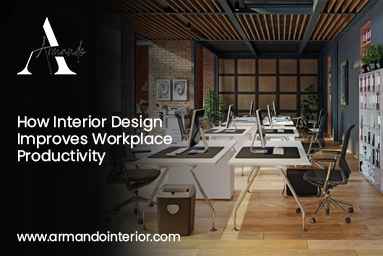
How Interior Design Improves Workplace Productivity A well-designed workplace is more than just an attractive office space. Modern businesses now understand that office interiors directly affect employee performance, motivation, creativity, and overall productivity. This is why companies are increasingly investing in professional office interiors to create healthier and more efficient work environments. Understanding How Interior Design Improves Workplace Productivity can help businesses make smarter decisions when designing offices, coworking spaces, and commercial environments. From ergonomic furniture and lighting to space planning and color psychology, every design element influences how employees work and interact. In this comprehensive guide, we will explore How Interior Design Improves Workplace Productivity, key workplace design strategies, modern office trends, and why professional office interiors are essential for business success. Why Workplace Interior Design Matters Office design has a direct impact on employee performance and business operations. Benefits of Good Office Design Improves employee focus Increases productivity Enhances comfort Encourages teamwork Creates a positive work environment Modern businesses are prioritizing workplace design to improve overall efficiency. How Interior Design Improves Workplace Productivity Interior design affects how employees feel, communicate, and perform during working hours. Major Productivity Factors Comfortable workspace Proper lighting Noise control Organized layouts Employee well-being These factors explain How Interior Design Improves Workplace Productivity in modern offices. 1. Better Space Planning Improves Efficiency Efficient office layouts improve movement and workflow. Benefits of Proper Space Planning Reduces clutter Improves employee movement Maximizes office space Creates organized workstations Good space planning helps employees work more comfortably and efficiently. Open Office Layouts and Productivity Open office designs encourage collaboration and communication. Advantages Easier teamwork Faster communication Flexible workspace arrangements Modern companies often use open layouts to support productivity and innovation. 2. Ergonomic Furniture Enhances Comfort Employee comfort plays a major role in workplace productivity. Ergonomic Furniture Includes Adjustable office chairs Height-adjustable desks Proper monitor positioning Comfortable seating solutions Ergonomic furniture reduces physical strain and improves employee focus. Health Benefits of Ergonomic Workspaces Benefits Reduced back pain Better posture Less fatigue Improved concentration These benefits demonstrate How Interior Design Improves Workplace Productivity through employee wellness. 3. Proper Lighting Increases Focus Lighting significantly impacts employee performance. Best Office Lighting Solutions Natural lighting LED lighting systems Task lighting Proper lighting reduces eye strain and improves concentration. Importance of Natural Light Natural light positively affects employee mood and energy levels. Benefits Improved mental health Better focus Increased motivation Reduced stress Many modern offices maximize daylight to improve workplace environments. 4. Color Psychology in Office Design Colors influence emotions and productivity. Popular Office Colors Blue for focus and calmness Green for balance and creativity White for cleanliness and simplicity Grey for professionalism Color selection is an important factor in How Interior Design Improves Workplace Productivity. 5. Noise Control Improves Concentration Excessive workplace noise reduces employee efficiency. Noise Reduction Solutions Acoustic panels Soundproof meeting rooms Carpet flooring Quiet work zones A quieter office environment helps employees stay focused. 6. Organized Workspaces Reduce Stress Cluttered offices create distractions and reduce productivity. Organization Strategies Smart storage systems Minimalist desk setups Clean layouts Organized workspaces improve mental clarity and workflow. 7. Comfortable Break Areas Improve Performance Employees need spaces to relax and recharge. Benefits of Break Areas Reduces workplace stress Encourages creativity Improves employee morale Relaxation spaces support healthier and more productive work environments. 8. Biophilic Design Enhances Workplace Wellness Nature-inspired interiors are becoming increasingly popular. Biophilic Design Elements Indoor plants Natural materials Green walls Nature-inspired décor Biophilic design improves employee well-being and reduces stress. Benefits of Office Plants Advantages Better air quality Reduced stress levels Improved mood Increased creativity Natural elements help explain How Interior Design Improves Workplace Productivity. 9. Smart Office Technology Improves Efficiency Technology integration supports modern work environments. Smart Office Features Automated lighting systems Smart meeting rooms Wireless charging stations Digital collaboration tools Technology-driven offices improve communication and workflow. 10. Flexible Workspaces Support Modern Work Culture Hybrid work models require adaptable office layouts. Flexible Workspace Features Shared workstations Hot-desking areas Multi-functional meeting rooms Flexible offices improve collaboration and space utilization. Importance of Employee Well-being in Office Design Employee wellness is directly connected to productivity. Wellness-Focused Features Comfortable furniture Natural lighting Air quality improvement Relaxation spaces Healthy employees are more motivated and productive. How Interior Design Affects Employee Motivation Office environments influence employee morale and engagement. Positive Office Design Creates Greater job satisfaction Improved teamwork Higher motivation levels This highlights How Interior Design Improves Workplace Productivity through workplace psychology. Impact of Branding in Office Interiors Office design should reflect company identity. Branding Elements Company logo walls Brand color schemes Customized décor Branded interiors create stronger company culture and professionalism. Modern Workplace Design Trends Businesses are adopting innovative office concepts. Popular Trends Minimalist office interiors Smart office automation Sustainable office materials Collaborative workspaces Wellness-focused design These trends continue shaping modern workplaces. Sustainable Office Design and Productivity Eco-friendly offices support healthier work environments. Sustainable Features Energy-efficient lighting Recycled materials Smart cooling systems Sustainability improves workplace comfort and reduces operational costs. Common Office Design Mistakes Avoid these workplace design problems: Poor lighting Overcrowded layouts Lack of storage Uncomfortable furniture Excessive noise Professional office planning helps prevent productivity issues. Why Professional Interior Designers Matter Professional designers understand workplace functionality and employee behavior. Advantages Efficient space planning Customized office solutions Better workflow design Modern aesthetics Experts create office environments that improve business performance. Why Businesses Choose Armando Interior Armando Interior specializes in premium office interior solutions in Dubai. Why Clients Prefer Them Customized office designs Modern workplace concepts Smart office solutions High-quality materials Professional project management Their expertise helps businesses create productive and inspiring workspaces. Future of Workplace Interior Design The future of office design is focused on flexibility, wellness, and technology. Future Trends AI-powered offices Smart automation systems Wellness-centered spaces Hybrid workspace models These innovations will continue influencing How Interior Design Improves Workplace Productivity. Tips for Creating a Productive Workplace Maximize Natural Lighting Invest in Ergonomic Furniture Reduce Workplace Noise Create Relaxation Areas Use Smart Space Planning These strategies improve both employee satisfaction and productivity. Conclusion Modern