
Choosing the right color palette for a room is one of the most important decisions in interior design. The colors you select can completely change how your space looks, feels, and functions. Whether you’re designing a cozy bedroom or a modern living room, knowing how to choose a color palette for a room will help you create a space that feels balanced, stylish, and uniquely yours.
Your color choices do more than just decorate a space they influence mood, lighting, and even how big or small a room feels. A well-planned interior design color palette can:
Before selecting colors, think about how the room will be used. This is the foundation of choosing colors for home interior spaces.
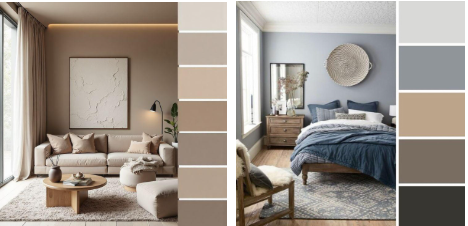
Matching your room color design with its purpose ensures both beauty and functionality.
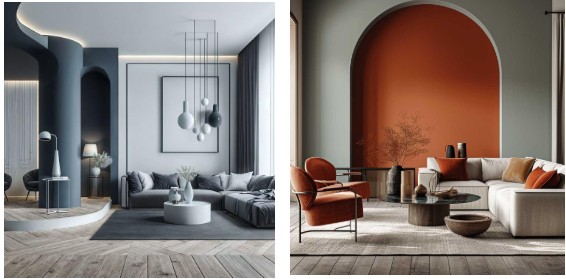
Using a structured color scheme helps you avoid clashing tones. Here are some popular options:
These are the foundation of strong color coordination in interior design.

Monochromatic Analogous
This is a proven formula used by professionals:
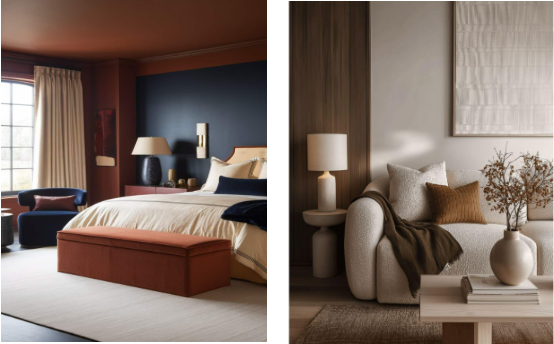
This method ensures your home color scheme ideas look balanced and not overwhelming.

Lighting plays a huge role in how colors appear in your home.
Always test your wall color selection in different lighting conditions before making a final decision.
Before finalizing your palette, consider things you can’t easily change:
Your interior color combinations for modern homes should complement these elements rather than clash with them.
Every room should have a standout feature, such as:
Build your best color combinations for rooms around this focal point to create a cohesive look.

One of the most important steps in choosing colors for home interior design is testing.
This helps you avoid costly mistakes and ensures your final palette works perfectly.

Neutrals are essential in modern interior design. Colors like white, beige, grey, and taupe:
You can easily enhance them with bold accents for a stylish finish.
Learning how to choose a color palette for a room doesn’t have to be complicated. By understanding your space, using simple design rules, and testing your options, you can create a beautiful and functional home.
The right color palette ideas for bedroom design or living spaces can elevate your entire home. Take your time, trust your instincts, and don’t be afraid to experiment with different shades and combinations.