
Keeping your home cool specially in hot climates can be challenging. But with the right strategies, you don’t have to rely entirely on air conditioning. By using smart design choices, you can naturally reduce heat, improve comfort, and lower energy bills.
In this guide, you’ll learn how to keep your home cool using practical, stylish, and energy-efficient interior design techniques.
A well-designed home can significantly reduce heat buildup. Smart home cooling design not only improves comfort but also:
This is especially important in regions with extreme heat, where cooling your home naturally can make a big difference
Color plays a major role in heat absorption. Dark colors absorb heat, while light colors reflect it.
Best choices:
Using light color palettes for interiors helps keep rooms cooler and brighter.
Good airflow is one of the easiest ways to cool your home.
Tips for better ventilation:
Proper airflow is key to natural cooling home design.
Windows are a major source of heat gain. The right coverings can block sunlight and reduce indoor temperature.
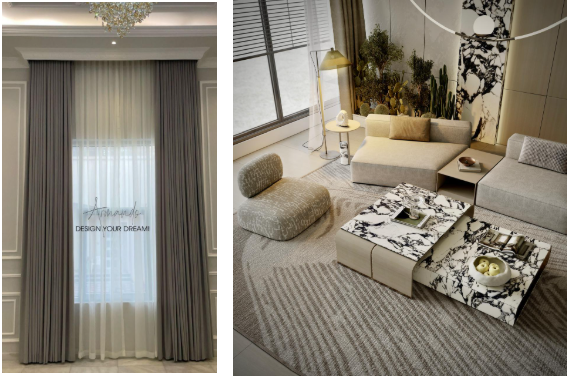
Effective options:
These solutions are essential for reducing heat in your home without sacrificing style.
Plants can help cool your home by improving air quality and reducing heat.
Best indoor plants for cooling:
They’re a great addition to eco-friendly interior design and bring a refreshing natural touch.

The materials you use in your home can affect temperature.
Cooler material choices:
Avoid heavy materials like velvet or thick carpets, which trap heat. This is key for smart interior design for hot climates.

Traditional bulbs generate heat, which can warm up your space.
Switch to:
These are essential for energy-efficient home cooling tips and help maintain a cooler environment.

Appliances like ovens, stoves, and electronics produce heat.
Smart tips:
Small changes can significantly improve how to keep your house cool naturally.
Heavy fabrics trap heat, while lighter ones keep your home breathable.
Choose:
This supports a cool and breathable interior design.
Ceiling fans help circulate air and create a cooling effect.
Fans are a simple yet powerful part of smart cooling home solutions.
Learning how to keep your home cool with smart design choices can transform your living space into a comfortable, energy-efficient retreat even in extreme heat.
By using light colors, improving ventilation, choosing the right materials, and minimizing heat sources, you can create a home that stays cool naturally.
Start with small changes, and over time, you’ll notice a big difference in both comfort and energy savings.