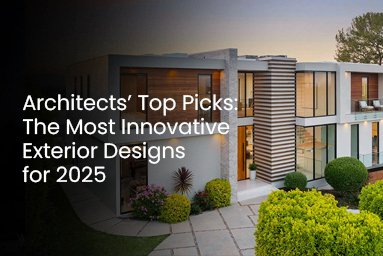
Architects’ Top Picks: The Most Innovative Modern Architecture Design Exterior Designs for 2025
Architecture is evolving faster than ever, and 2025 promises a year of bold creativity, sustainable materials, and striking aesthetics. Architects worldwide are pushing the boundaries of urban landscapes, combining functionality with artistic expression. Central to this evolution is modern architecture design, which blends technology, innovation, and timeless elegance to create spaces that inspire. For premium interior solutions, you can also explore Armando Interior
Modern architecture designs are no longer confined to glass facades and minimalist lines. Today, architects are exploring mixed materials, adaptive structures, and eco-conscious solutions that redefine the relationship between form and environment. From residential homes to commercial complexes, these designs focus on visual appeal, environmental responsibility, and practical usability.
For designers and property developers, collaborations with interior specialists often enhance the overall experience. Many commercial projects now integrate Shop interior design for a cohesive exterior-to-interior flow, ensuring that architectural statements are complemented by functional and attractive interiors.
Sustainability Meets Innovation
Sustainability continues to dominate architectural conversations in 2025. Modern architects are increasingly using recycled materials, solar panels, and green walls to reduce the carbon footprint of their projects. Façades are designed not just for aesthetics but also for energy efficiency, improving insulation and reducing heating or cooling costs.
Innovative designs feature smart shading systems, dynamic window panels, and adaptive building envelopes. These solutions respond to sunlight, temperature, and occupancy patterns, providing optimal comfort while preserving resources. By integrating technology, modern architectural design balances beauty and environmental consciousness seamlessly.
Residential developers and commercial property owners are also collaborating with interior experts to ensure the exterior vision translates to the interiors. Creative professionals often suggest using complementary color schemes, textures, and materials inside the property to maintain design harmony. Some even recommend services like design your home interior with us to create a seamless architectural and interior experience.
Blending Functionality and Style
While aesthetics are crucial, functionality remains a cornerstone of modern architecture. Adaptive structures, modular facades, and multifunctional spaces allow architects to meet the dynamic needs of 2025 lifestyles. For instance, office buildings now feature flexible workspaces, while residential exteriors incorporate terraces, balconies, and outdoor leisure zones.
Commercial spaces benefit from integrating thoughtful design with architecture. Many projects now emphasize Office interior design in Dubai to create a consistent experience for clients and employees, blending ergonomic interiors with modern exterior lines. This ensures that the building’s identity remains strong, both inside and out.
Materials play a major role in achieving this balance. Lightweight composites, high-strength concrete, and advanced glazing systems allow for creative experimentation without compromising structural integrity. Architects are now using a mix of textures, colors, and patterns to create iconic facades that stand out in urban landscapes.
Green Spaces and Biophilic Design
Biophilic design — incorporating natural elements into architectural planning — is a major trend for 2025. Modern architecture designs increasingly feature rooftop gardens, vertical greenery, indoor-outdoor connections, and water features that enhance wellbeing. Beyond aesthetics, these features improve air quality, reduce urban heat, and create relaxing spaces for occupants.
Courtyards, green terraces, and living walls are being seamlessly integrated into the building’s exterior. This approach not only enhances visual appeal but also aligns with sustainability goals. Urban planners and architects collaborate to create pedestrian-friendly zones with open green spaces that complement the modern façade of buildings.
Material Innovations and Textural Play
Exterior surfaces are no longer uniform. Architects are experimenting with textured cladding, perforated metal panels, and hybrid materials to create visually striking designs. These textural innovations allow light and shadow to play dynamically on the building, adding depth and interest.
Smart glass, translucent panels, and self-cleaning coatings are being widely used, allowing buildings to maintain a polished appearance with minimal maintenance. Wood, stone, and recycled composites are combined with modern metals to create a fusion of natural and contemporary elements.
This trend also extends to the integration of lighting. LED façades, projection mapping, and architectural illumination highlight textures and create dynamic nighttime aesthetics. These innovations redefine urban skylines while supporting practical building functions.
Technology-Driven Designs
Digital modeling, AI-assisted design, and parametric architecture are revolutionizing the way buildings are conceived. Architects can simulate sunlight exposure, airflow, and energy efficiency before construction begins. This results in smarter, more sustainable designs that meet modern functional requirements.
Drones, 3D printing, and robotic fabrication are also being used to execute intricate exterior elements that were previously impossible or prohibitively expensive. This technological integration allows designers to push creative boundaries while maintaining cost efficiency and structural reliability.
Future-Proofing Urban Spaces
Modern architectural design in 2025 emphasizes adaptability. Buildings are being designed with future modifications in mind, such as expandable residential units, convertible commercial spaces, and flexible exterior surfaces. This foresight ensures that structures remain functional, efficient, and visually appealing for decades.
City planners are also focusing on integrating buildings with smart urban infrastructure, including EV charging stations, energy-efficient street lighting, and accessible public spaces. Such comprehensive planning ensures that exteriors, interiors, and surrounding areas work together harmoniously.
Conclusion
The architectural landscape of 2025 promises innovation, sustainability, and aesthetic excellence. Modern architectural design is evolving beyond simple minimalism, embracing green technology, advanced materials, and adaptive functionality. From residential homes to commercial offices and retail spaces, architects are redefining the relationship between buildings and their environments. To understand more about the evolution of modern architecture, you can explore its background on Wikipedia. For professional assistance or project inquiries, you can reach out through the Armando Interior Contact Page.
By blending form, function, and environmental responsibility, these designs not only enhance urban aesthetics but also improve occupant well-being. Integrating interior considerations, such as Shop interior design and Office interior design Dubai, ensures seamless transitions from exterior to interior, resulting in cohesive, functional, and stylish spaces. Services like designing your home interior with us further support this integrated approach.
Read more about Home Exterior Design Trends 2025.
For homeowners, businesses, and developers, staying ahead of these trends ensures that their investments are future-proof, visually striking, and aligned with the modern architectural vision of 2025.
Frequently Asked Questions (FAQs)
1. What is modern architecture design?
Modern architectural design focuses on clean lines, functional spaces, innovative materials, and technology-driven solutions to create aesthetically pleasing and sustainable buildings.
2. What exterior design trends are popular in 2025?
Key trends include biophilic design, adaptive facades, smart lighting, material innovation, and modular, flexible structures.
3. How does modern architecture integrate with interiors?
By collaborating with interior designers and aligning color schemes, materials, and textures, the building exterior complements interiors like shops or offices seamlessly.
4. Are sustainable features common in modern exteriors?
Yes, rooftop gardens, green walls, solar panels, energy-efficient glazing, and natural ventilation are widely used in contemporary architectural designs.
5. How can I design my home interior to match a modern exterior?
Services like designing your home interior with us help homeowners choose materials, furniture, and layouts that harmonize with exterior modern architecture design trends.