

A well-designed bedroom is more than just visually appealing it directly impacts how you sleep, rest, and recharge. In today’s fast-paced world, creating a bedroom that promotes calm and relaxation is essential for both mental and physical well-being.
Here are the key design principles that transform a bedroom into a truly restful retreat.
-
Start with a Calming Color Palette
Color plays a powerful role in setting the mood of a space. For better sleep, opt for soft, muted tones that feel soothing rather than stimulating.
Ideal choices include:
- Warm neutrals (beige, taupe, ivory)
- Soft greys
- Muted greens and dusty blues
Avoid overly bright or saturated colors, as they can create visual tension and make it harder to unwind.

-
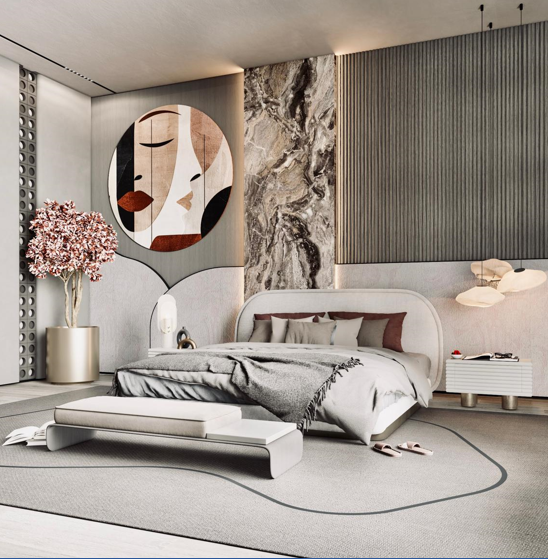
Prioritize Lighting Layers
Lighting should be designed to support your natural rhythm, not disrupt it.
A well-balanced bedroom includes:
- Ambient lighting for overall softness
- Bedside lamps for reading
- Warm, dimmable lights for evening relaxation
Avoid harsh white lighting, especially before bedtime. Instead, choose warm tones that create a soft, inviting atmosphere.
-
Invest in Quality Bedding
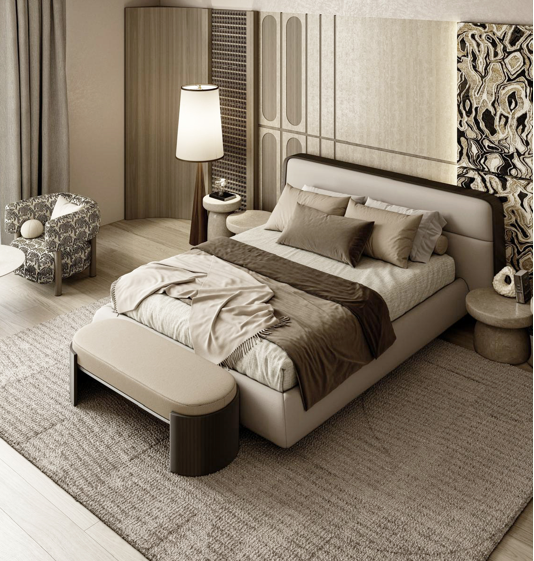
Comfort is at the core of relaxation. High-quality bedding can significantly improve sleep quality.
Focus on:
- Breathable fabrics like cotton or linen
- Soft, layered textures
- Neutral or calming tones
A well-made bed not only feels better but also enhances the overall aesthetic of the room.
-
Declutter for Mental Clarity
A cluttered space often leads to a cluttered mind. Bedrooms should feel light, organized, and intentional.
Simple strategies:
- Keep surfaces minimal
- Use hidden storage solutions
- Limit decorative items to a few meaningful pieces
The goal is to create a space that feels effortless and calm.
-
Control Natural Light
Natural light is essential during the day but at night, darkness is key for quality sleep.
Consider:
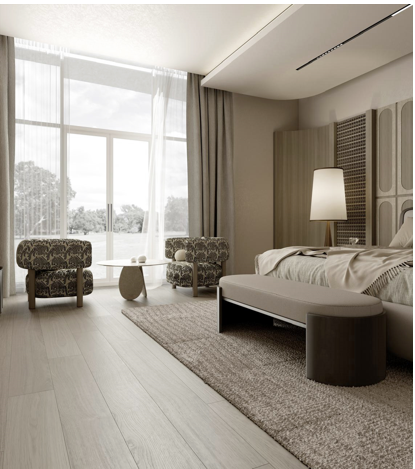
- Blackout curtains or layered drapery
- Soft sheers for daytime filtering
- Proper window treatments that balance light and privacy
This allows you to control the mood of the room throughout the day.
-
Incorporate Soft Textures
Texture adds warmth and comfort without overwhelming the space.
Use:
- Area rugs for softness underfoot
- Upholstered headboards
- Cushions and throws in natural fabrics
Layering textures creates a cozy, inviting environment that encourages relaxation.

-
Limit Technology
Bedrooms should feel like a retreat from the outside world.
Try to:
- Keep screens to a minimum
- Hide cables and devices
- Avoid placing TVs directly in front of the bed
Reducing digital distractions helps your mind unwind more easily.
-
Add Subtle Personal Touches
A bedroom should reflect your personality but in a quiet, understated way.
Consider:
- Minimal artwork
- A signature scent or diffuser
- A single statement piece
The aim is not to fill the space, but to give it meaning.

-
Focus on Layout and Flow
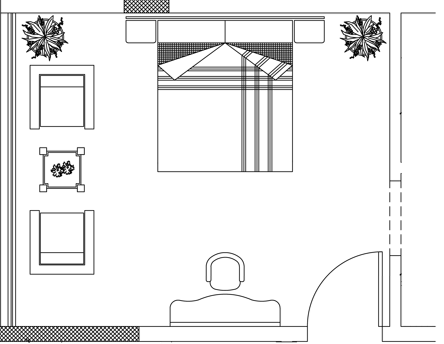
The arrangement of furniture affects how the room feels.
Key tips:
- Position the bed as the focal point
- Maintain clear pathways
- Avoid overcrowding the room
A well-planned layout enhances both comfort and visual balance.
Conclusion
Designing a bedroom for better sleep is about creating a space that feels calm, balanced, and intentional. Through thoughtful choices in color, lighting, materials, and layout, your bedroom can become a place where both body and mind truly rest.
In the end, the most effective bedroom designs are not just beautiful they are deeply restorative